Key Truths about Heaven

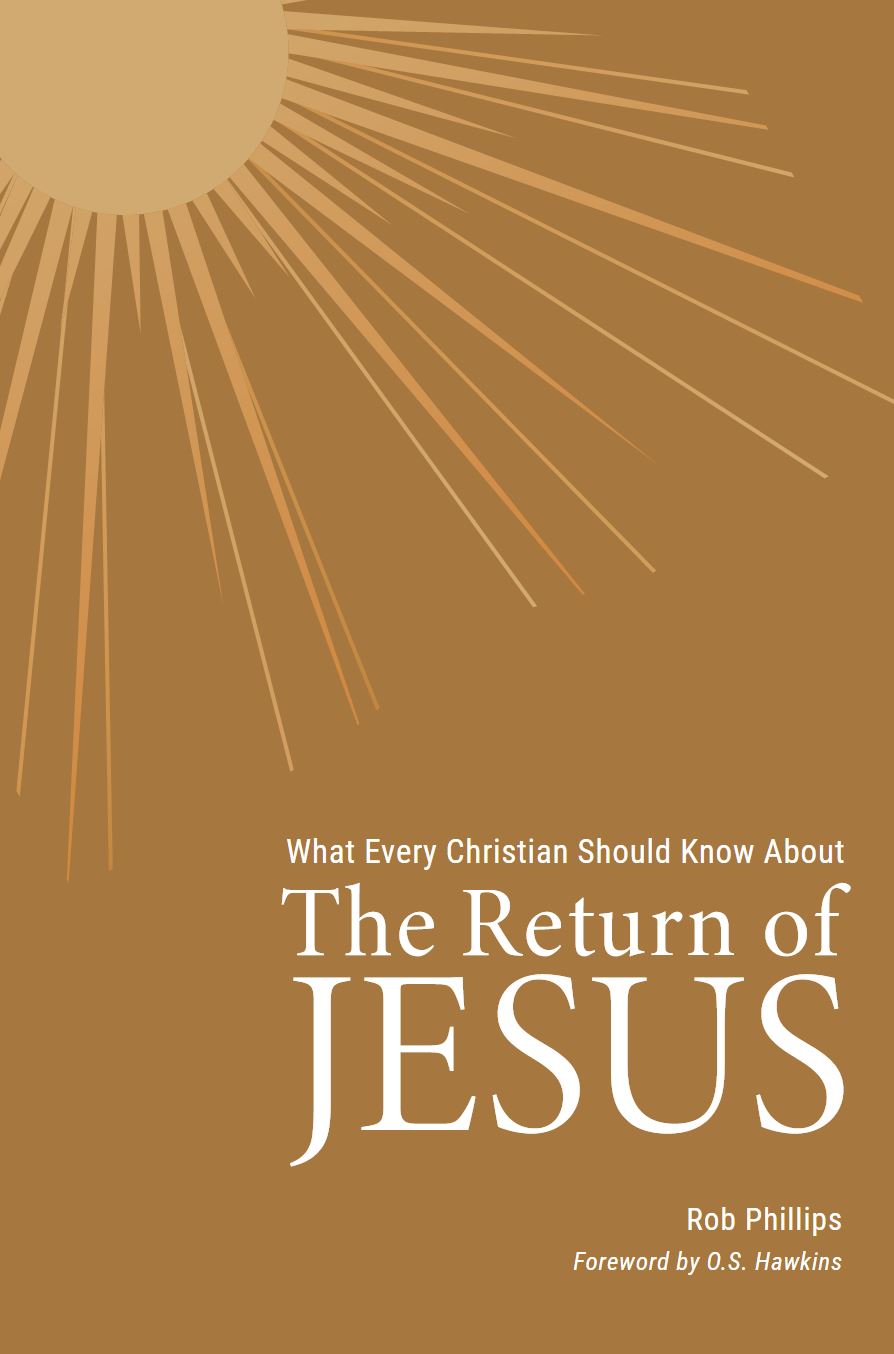
This is another in a series of excerpts from What Every Christian Should Know About the Return of Jesus, released by High Street Press and available at Amazon


The New Testament reveals many truths about the intermediate state – the time between physical death and future resurrection. Further, it shows us a seamless transition from the intermediate state to the eternal state as the intersection between heaven and earth is restored, with God bringing down his throne to rest among the redeemed. Consider several key truths regarding heaven. 

First, the Father, Son, and Holy Spirit reside in heaven, yet they have immediate access to earth. This is seen, for example, in Matthew’s account of Jesus’ baptism, where all three members of the Trinity appear together (Matt. 3:16-17).

Second, God’s will is done completely in heaven – and one day will be done on earth as well. In his model prayer, Jesus expresses this desire for God’s kingdom to come in its fullness (Matt. 6:9-10).

Continue reading

Are There Aliens Among Us?

This is the first in a series of articles on what the Bible says about UFOs and aliens.

The radio announcer tried to hide his panic as he spoke: “Ladies and gentlemen, I have a grave announcement to make. Incredible as it may seem, both the observations of science and the evidence of our eyes lead us to the inescapable conclusion that those strange beings who landed in the Jersey farmlands tonight are the vanguard of an invading army from the planet Mars.”1

The CBS presentation of Orson Welles and his Mercury Theater was intended to entertain a dial-happy radio audience in the fall of 1938. Instead, it sent the world into panic. Shortly after signing off, Welles and his colleagues learned the unintended consequences of their broadcast.

Hundreds of thousands of screaming Americans had taken to the streets. Governors were begging their constituents to believe that martial law had not been declared. Weeping families jammed houses of worship, seeking absolution from their sins before the Martians descended on their towns. 

Continue reading

All My Days Were Written: Psalm 139:16 (Part 2)

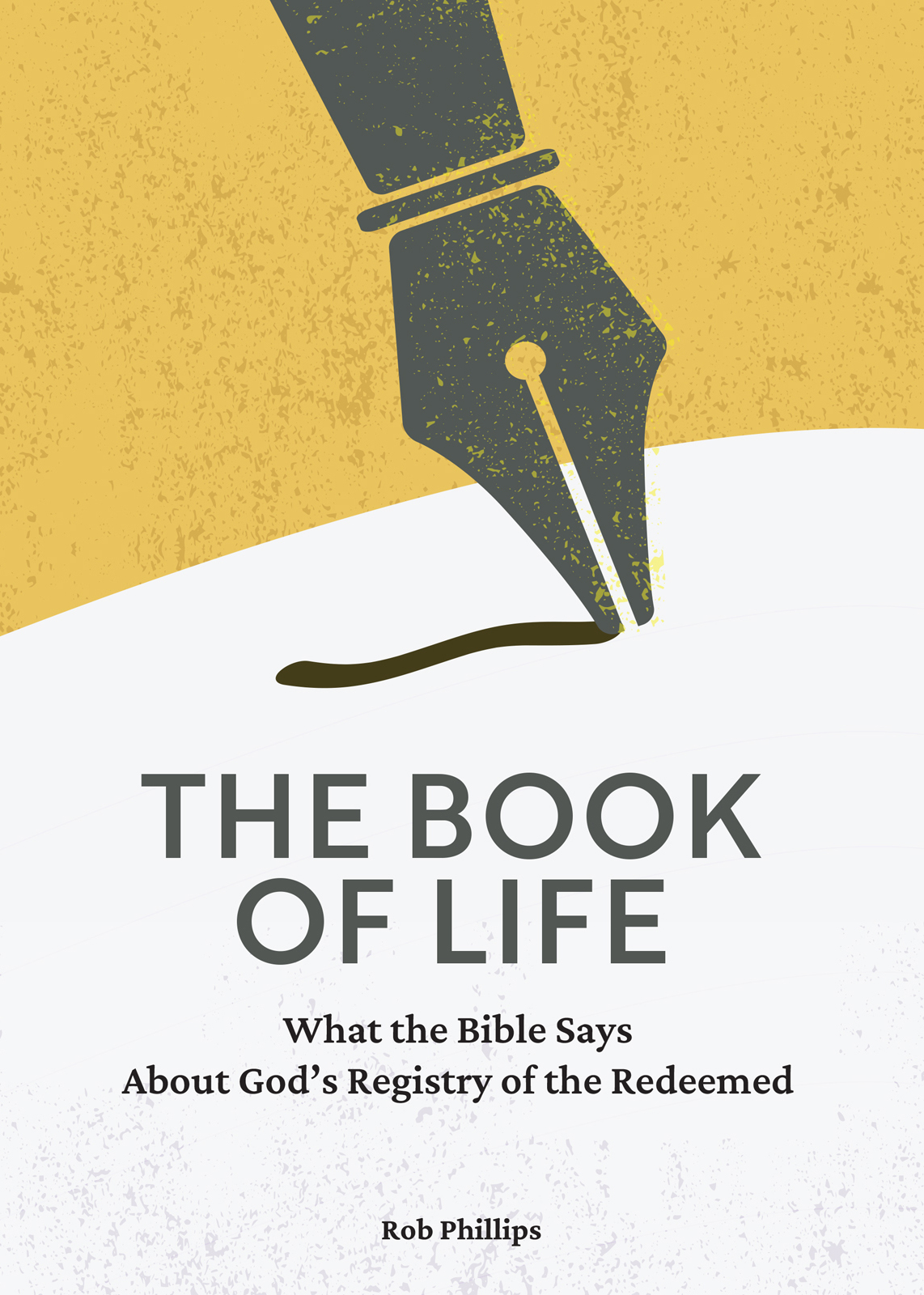
This is another in a series of excerpts from The Book of Life: What the Bible Says about God’s Registry of the Redeemed from High Street Press and available at Amazon. This except comes from Chapter 7: All My Days Were Written: Psalm 139:16.


In the previous post, we were introduced to Psalm 139:16: “Your eyes saw me when I was formless; all my days were written in your book and planned before a single one of them began.” Now, we turn our attention to God’s eternal attributes revealed in this verse.

God’s eternal attributes

Let’s see how David builds a case for God’s eternal attributes, in groups of six verses at a time.

You know all about me

LORD, you have searched me and known me. You know when I sit down and when I stand up; you understand my thoughts from far away. You observe my travels and my rest; you are aware of all my ways. Before a word is on my tongue, you know all about it, LORD. You have encircled me; you have placed your hand on me. This wondrous knowledge is beyond me. It is lofty; I am unable to reach it (Ps. 139:1-6).

David marvels that God knows everything about him and is always with David. The psalmist brings divine omniscience and omnipresence down to a deeply personal level. The Lord has searched and known “me.” He knows when “I” sit down and stand up. He understands “my” thoughts, observes “my” travels and “my” rest, and knows the words the psalmist speaks before they roll off “my” tongue. The Lord has encircled “me,” and placed his hand on “me.” This wondrous knowledge is beyond “me,” that is, beyond David’s comprehension. 

Continue reading

All My Days Were Written: Psalm 139:16

This is another in a series of excerpts from The Book of Life: What the Bible Says about God’s Registry of the Redeemed from High Street Press and available at Amazon. This except comes from Chapter 7: All My Days Were Written: Psalm 139:16.


Your eyes saw me when I was formless; all my days were written in your book and planned before a single one of them began (Ps. 139:16).

So far in our study, we’ve explored references to “the book you [God] have written” (Exod. 32:32), “my [God’s] book” (Exod. 32:33), and “the book of life” (Ps. 69:28). Now, in Psalm 139, David marvels at the all-knowing, all-powerful, and everywhere-present attributes of God. Among the psalmist’s amazements are these words: “All my days were written in your book” (v. 16, emphasis added). 

We begin this study with a few notes about Psalm 139. This is a wisdom psalm that features elements of both a hymn and a lament. The hymn-like portions exalt Yahweh’s greatness, while the lament acknowledges God’s power over all creatures, especially the psalmist.

Continue reading

The Book of Life: Psalm 69:28

This is another in a series of excerpts from The Book of Life: What the Bible Says about God’s Registry of the Redeemed from High Street Press and available at Amazon. This except comes from Chapter 6: The Book of Life: Psalm 69:28.


Let them be erased from the book of life and not be recorded with the righteous (Ps. 69:28).

Psalm 69:28 is the first reference to the book of life by name in Scripture. It shares some themes with “the book you have written” and “my book” in Exodus 32:32-33. For example, in both passages, there is the threat of people being erased from the book. Yet, the messianic context of Psalm 69 offers insights into righteous suffering, divine justice, and a passionate defense of God’s reputation.

When it comes to Psalm 69, British evangelist and author G. Campbell Morgan once commented, “Perhaps in no psalm in the whole psalter is the sense of sorrow profounder or more intense than in this. The soul of the singer pours itself out in unrestrained abandonment to the overwhelming and terrible grief which consumes it.”

Continue reading